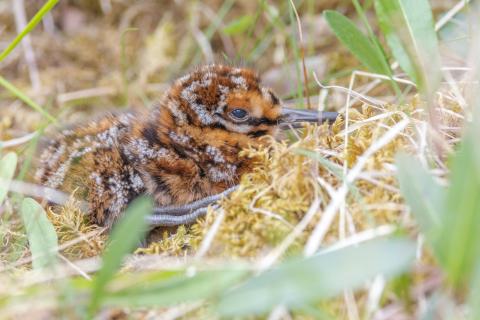


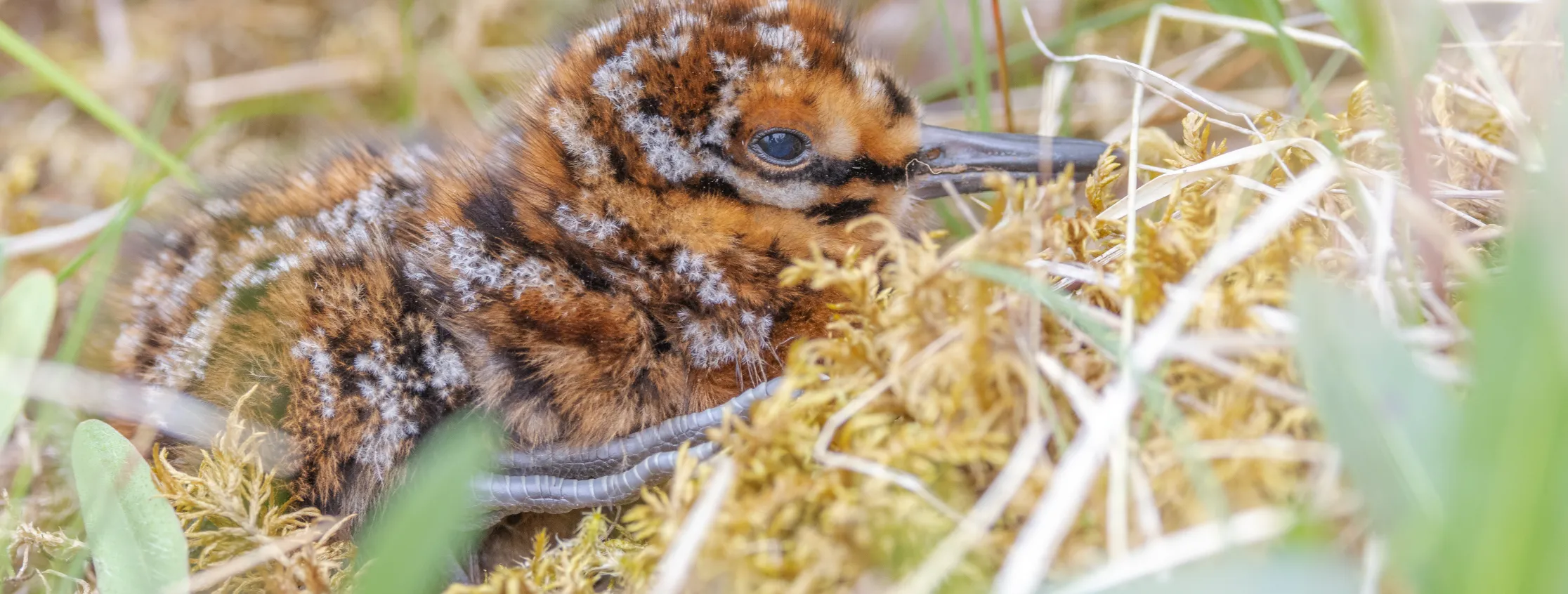
Within the LIFE Belgium for Biodiversity (LIFE B4B) project, Ghent University (UGent) and Natuurpunt are using drone-based remote sensing to support smarter and less intrusive nature management in the Valley of the Zwarte Beek in Limburg. The project focuses on two main applications: detecting ground-nesting birds and monitoring vegetation dynamics. By flying drones equipped with thermal cameras at dawn, researchers can locate nests of vulnerable species such as snipe and corncrake, allowing mowing activities to be adapted and nests to be protected.
In parallel, multispectral cameras are used to map vegetation types, assess plant vitality, and detect invasive alien species such as Himalayan balsam. This approach is particularly valuable in large and difficult-to-access areas. A key objective of the project is knowledge transfer: local volunteers are trained to operate drones and interpret data, ensuring that by 2028 the methodology can be applied independently and scaled up to other nature areas. The project demonstrates how advanced technology can complement local ecological expertise and contribute to more effective and biodiversity-friendly land management.
Read the whole article here (in Dutch):